

How Often Should Landlords Get a Gas Safety Certificate?
A gas safety certificate is a legal document that confirms that the gas appliances and fittings within your home are safe. This is a document that landlords must have before renting their property.
This helps to prevent carbon monoxide from causing dangerous accidents. It also improves maintenance plan and ensures conformity to the legal requirements.
Residential
The law requires landlords to get gas safety certificates for homes which have a residential tenant in place. This is a huge obligation, since it means that any problems with gas appliances or installations could cause burning or poisoning. Inspections must be carried out by an engineer registered within the year. The landlord must give tenants a copy within 28 days following the inspection. The certificate should be displayed in a prominent location in the property. New tenants must be provided with copies at the beginning of their tenure. The landlord must ensure that the CP12 is dated, and that it includes a list of the appliances that have been inspected and their safety status. They must also make sure that all tenants have a carbon monoxide alarm installed and that the deposit is secure through a tenancy deposit scheme.
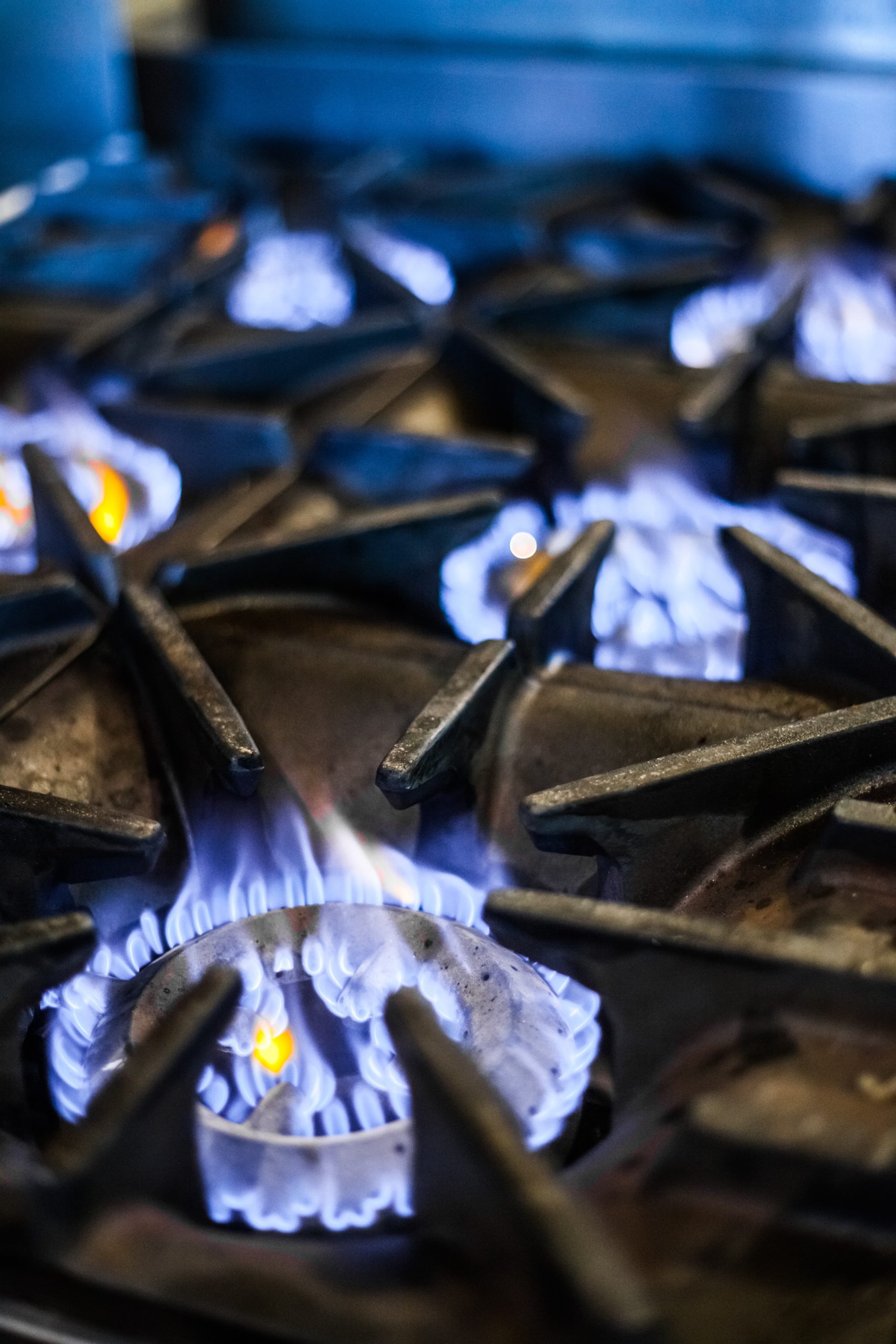
During the inspection, the engineer will make sure that all gas appliances are safe. The engineer will inspect the connection's tightness and whether or not they comply with safety regulations, as well as whether there is adequate ventilation. They will also check the flow of gases in the flues, in order to ensure that they are properly removed from the property. They will also make sure that the carbon monoxide alarm is functioning correctly.
Landlords must be aware that the CP12 will list any equipment or installation classified as 'Immediately Dangerous (ID) or 'At risk of being Dangerous (AR)'. The engineer will recommend that the landlord disconnects these items from the gas. The engineer will then provide the landlord suggestions on the needed repairs needed to make these items safe for use.
You must have your gas installations and appliances tested annually if you are a landlord. You could be fined or even prosecuted if you do not. Inspections can aid in identifying problems early, and protect the value of your house if you ever decide to sell.
Owner-occupiers might not have to have gas safety checks done however they are recommended for various reasons. They can help you avoid legal issues, insurance issues and even problems that could cause you to spend more on heating.
Commercial
Gas safety inspections in commercial settings are vital to the health and wellbeing of employees. It is up to the owner of the business or landlord to ensure that all gas appliances and pipework are safe. This will protect your company from costly repairs and legal action.
The law requires that a gas safety inspection is conducted every year for all gas installations in commercial properties. This includes hotels and restaurants and shops, office buildings and other buildings that are rented out to businesses. If a landlord allows tenants to sublet their property, it is crucial to make this clear in the lease or separate contract. The tenant cannot take on the responsibility of the landlord and must organize their own gas safety inspection.
If a landlord fails meet the legal requirements the landlord could be charged with a criminal offense and could face hefty fines. Landlords should collaborate with gas engineers in order to schedule regular inspections. This will minimize the disruption to their tenants and ensure that they are up-to current with all legal requirements.
A gas safety certificate can contain details about the person who conducted the inspection, as well as their contact information. It will also show the date of inspection along with expiry date. how long does a gas safety certificate last can renew their gas safety certificates in as little as two months before the date on which the current one expires without affecting the validity of the certificate.
In addition to identifying potential hazards, regular gas safety inspections can aid property owners in maintaining the effectiveness and longevity of their appliances. Minor issues can be identified quickly and addressed to prevent more serious issues from developing.
A gas safety certificate is a vital document for landlords to be able to provide, as it guarantees that their home is safe for their tenants. It is also an essential document to have when a property is being offered for sale, because potential buyers may want to see the document prior to completing an offer. This can save time and effort for both parties, and also prevent any unnecessary delays during the sale process.
Industrial
It is crucial to ensure the safety of gas systems in an industrial setting. It ensures that they do not pose an hazard to employees or anyone else who could be working in the space. Regular inspections of gas appliances and installations are necessary to achieve this. A gas safe engineer who is certified is able to perform this task. It is also crucial to prioritize the completion of this process and stay up-to-date with inspections and compliance.
The law requires landlords of industrial properties to get the commercial gas safety certification. This is often referred to as a Gas Safety Record or CP12. This document confirms that every gas appliances and pipework has been tested to ensure safety. It's a condition that must be met in order to avoid fines and other repercussions.
During the inspection the registered gas safe engineer will ensure that all gas appliances are in good working order and have been regularly cleaned. They will also look for signs of leaks and carbon monoxide poisoning. In some instances the engineer will have to change seals and gaskets on specific appliances to keep them in good condition.
The certificate will contain information about the property and appliances as well as inspection findings. It is also signed by the engineer who performed the test to confirm its authenticity and accountability. The engineer's name, registration number, and date of the inspection will appear on the document too.
A landlord who has an expired certificate of gas safety will likely not be able to rent out their property. The council or tenants may take legal action against them for not fulfilling their obligations. A certificate that has expired could trigger a serious incident such as CO poisoning or fire.
The gas safety certificate is a document that every industrial property must possess. It is important because it proves that all gas appliances and installations have been tested to ensure their safety for workers or occupants. Gas safety certificates are crucial for companies, particularly those that have multiple properties. The best method to get one is through a professional company, like Mashroom that provides an easy and efficient service that can be booked in just a few clicks.
Tenants
When you are a landlord and your tenants have moved out, it is crucial that any gas appliances and flues are inspected prior to letting the property. This ensures that the previous tenant hasn't tampered with any pipes or gas appliances and has left them in good working order. If the engineer finds any items that are considered unsafe or insufficient, you must ensure that they are fixed as soon as possible. The engineer will provide you with an Landlord Gas Safety Record CP12 after the inspection has been completed. This should be given to new tenants before moving in and should be kept by the landlord for two years.
The CP12 should clearly display the date as well as the engineer's name and address, as well as the date and the time that the check was conducted. It should also include a unique identifier, like an electronic signature, scanned identification card or payroll number. The records must be kept in a secure manner and readily accessible when needed.
Note for landlords who employ Gas Safe engineers: You should ensure that any staff employed to perform gas checks is fully qualified and registered with Gas Safe. This will ensure that the work is done to a high standard and that you are in compliance with the lawful requirements.
Sometimes, you may find that your tenants are not satisfied with the engineer's access to the property. This might be because they think it is a violation of their privacy or they are in an argument with you. In these cases explain that it's a legal requirement to protect your family from poisoning by carbon monoxide. You can also include a provision in your tenancy agreement that access to the property is required for gas safety inspections.
A recent Court of Appeal ruling clarified the procedure for Section 21 notices. However, the ruling was not entirely clear and you should seek expert guidance in this regard. The ruling did say that you will be prevented from serving Section 21 notices if you don't conduct an annual gas safety inspection. However it is only a logical conclusion and the judge might take into consideration other factors.