

How Much Does a Landlord Gas Safety Certificate Cost?
All landlords should have their gas appliances, fittings and flues tested annually. This is to ensure that they are safe for their tenants to use.
It is the responsibility of the landlord to educate their tenants about the importance of providing access to these tests. They should also keep track of the notices that they have given.
Cost of Inspection
A landlord gas safety certification is a legal requirement for any property that is equipped with gas appliances. It requires a gas engineer visit the property and carry out a series of tests on every appliance. This includes checking for gas leaks, fittings and flues. Before conducting the inspection, landlords must provide their tenants a notice of 24 hours. They must also provide their tenants a copy of the inspection report.
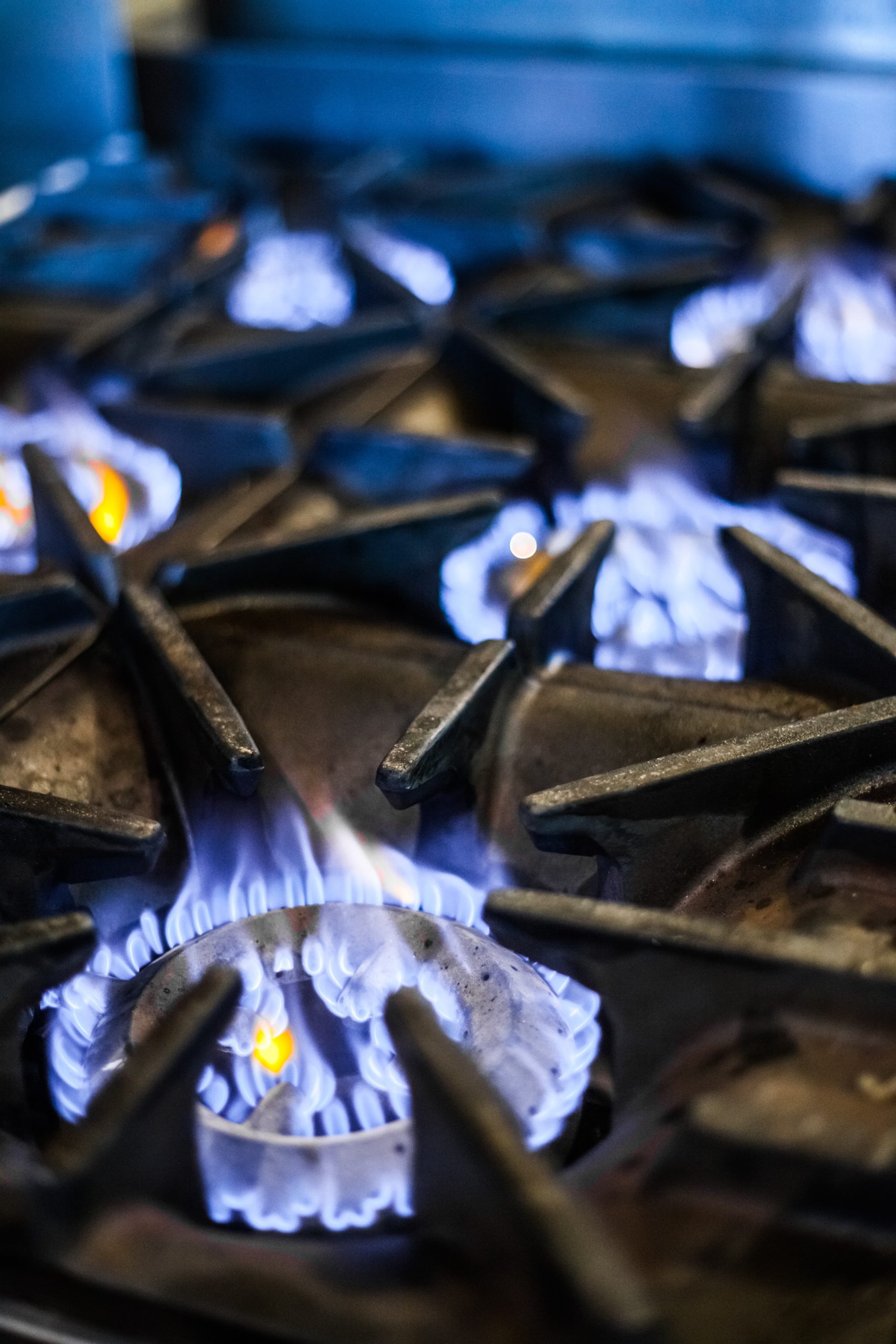
The cost of gas safety certificates for landlords is contingent on a variety of aspects, including the type and location, as well as the quantity of appliances to be examined. It is important to look around for the most affordable price and to hire a qualified, Gas Safe registered engineer. Landlords must also ensure that their gas appliances function properly before the inspection.
If a landlord doesn't have an appropriate gas safety certificate, they could be fined or even taken to court. Infractions can be costly and could cause harm to tenants. These costs can be prevented by hiring a reliable, professional company that specializes in CP12 certification.
It is crucial to remember that, although it may appear expensive, a gas safety inspection is an essential part of the landlord's responsibility. It is crucial to conduct regularly to ensure that the property is safe for tenants.
Gas engineers also have to test the pipework that joins these appliances together. The engineer will also test the pipes that connect these appliances together. The gas engineer will issue a new certification that expires one year from the date of inspection.
Generally, a landlord will pay PS60 to PS120 for an inspection and a certificate, but some companies charge more or less in accordance with the location or the number of appliances that are being inspected. Additionally, some companies charge a call-out cost and some engineers might charge more for evening or weekend appointments.
It is important to keep in mind that the gas safety certificate for landlords must be renewed each year and that the check is to be carried out by a certified engineer. As an owner, you must budget for this cost. If landlords do not renew their certificates, they risk having their properties seized by the local council. This could lead to being evicted or even criminal prosecution.
Cost of the Certificate
A gas safety certificate for landlords is a legal requirement for any landlord who leases an apartment or home with gas appliances. Landlords are required to have their gas appliances inspected each year and provide tenants with a copy of the Gas Safety Record (or CP12). Failure to do so can result in hefty fines and could create a dangerous living space for tenants.
The cost of a certificate is contingent on the location of the property and the number of appliances to be tested. For instance, homes located in urban areas may require more thorough testing than those in rural areas. The cost will also depend on how many appliances the engineer checks in a typical inspection including the boiler as well as cookers, fires radiators and any other gas-powered appliances. The inspector should check that the gas pipework is properly installed and working and that the appliances are safe to use.
Once the engineer has completed the inspection after which they will issue a landlord gas safety certificate. The certificate should be given to tenants within 28-days of the check and to new tenants before their move-in. The landlords should also display a copy the certificate inside the rental property.
It's important to compare prices of different companies when searching for a gas safety certificate for landlords. Choose one that is registered with Gas Safe and have good customer reviews. You should also select one that has a service agreement. This will help you avoid expensive repairs and will help you get your annual gas safety inspection done.
There are tenants who refuse access to the inspection or dispute the cost. In this case, you should remind the tenant that the inspection is a legal requirement and that they could put their lives in danger by refusing to permit it. It is also a good idea to remind that carbon monoxide has no taste or smell and is extremely hazardous to breathe in.
Before they begin their work A reputable company will give you an exact estimate of the cost for your landlord's gas safety certificate. They will also explain to you what they are doing and why it's important to follow the regulations.
Repairs Costs
A gas safety certificate for landlords is an essential legal requirement in the United Kingdom for those who let out properties. This check ensures that all of the gas appliances in your property are safe to use and is conducted by a certified gas engineer. The cost of a certificate of gas safety depends on a number of variables, including the type and number of appliances present in the home and its location. A gas safety test in London for instance, will cost more than one in a lesser-populated area. This is an important factor to be considered when planning the cost of a new landlord gas safety certificate.
The first step in getting a gas safety certificate is to plan an inspection for your properties. Contact the local gas company or make use of an online service. The engineer will look over the pipes, appliances, and flues to make sure they are in good condition. They will also look for signs of a carbon monoxide leak. If the inspector discovers any problems, you'll need to make repairs before you can get an updated gas safety certificate.
The number of gas appliances you have in your rental house is another factor to consider. The more appliances you have the more expensive the cost of a gas safety inspection will be. For instance, a house with two gas appliances will usually cost PS60 to PS70. A home that has three or four appliances will cost between PS80 and PS100. It is important to remember that these prices aren't fixed and may change depending on the gas engineer and season.
It is also necessary to keep an account of all the work that you've done. Gas Safe registered engineers must complete a CP12 or Gas Safety Record. You must give your tenants the copy of the report within 28 days of the completion of the gas safety inspection. It is also required to keep this record on display at each property.
Landlords should be aware of the fact that gas safety checks are not always successful. In some instances, an appliance may fail the inspection because of a problem with its flue or its connection to the gas boiler. Landlords must always consult the instructions of the manufacturer to determine the frequency at which their appliances need to be maintained. They should also make sure their pipes are in good condition and examine the flues on a regular basis to ensure they are safe.
Cost of Eviction
Evictions can be expensive. It can take months to evict tenants and, in the meantime, you won't be earning rent so it is money that will have to be paid up. There will also be cleaning costs and if your tenants have created copies of their keys, you will need to pay locksmiths to replace the locks.
It is the responsibility of landlords to ensure that their home is secure and suitable for tenants to live in. what is gas safety certificate includes keeping records for safety checks and providing the records to new tenants when they start their tenure. It is also a great idea to display the proof of gas safety in the building prominently. The law states that if a tenant does not want to permit access for gas safety inspections, they must be given every reasonable opportunity to adhere to. This includes repeated attempts and writing to explain the legal requirements.