

Gas Safety Certificate For Landlords
It is crucial to keep in mind that it is only landlords who are responsible for gas safety inspections. This applies to landlords who own residential properties and those who rent rooms or other holiday accommodation.
Before they can put their property for sale, landlords must be able demonstrate that the plumbing and appliances they have installed in their homes are safe. This can be done with the gas safety certificate.
What is a gas safety certificate?
Whether you're a landlord or homeowner, you need to follow the law in regards to maintaining your gas appliances and installations in good functioning order. Every property owner must obtain their gas safety certificates at least once a calendar year. What exactly is a gas safety certificate? And who is the person who requires one?
A Gas Safe Certificate, also called a Landlord Gas Safety Record, is a legal document issued by a licensed Gas Safe engineer after carrying an exhaustive examination of all gas appliances and flues that are in your rental home. The engineer will also test that the ventilation passages in your properties are clear to avoid the risk of carbon monoxide accumulating in your home.
The Gas Safe Certificate will provide you with the results of your annual inspection. The Gas Safe Certificate will provide the results of your yearly inspection. It will list all the gas appliances and installations that were examined, along with their make and model as well as their location within your property. The engineer will inform you if the appliances are safe to use and provide information about any work needed to ensure your tenants' safety.
You must provide your Landlord Gas Safety Certificate to your tenants within 28 days after the service. It is also required to provide it to new tenants when they begin their tenancy. Failure to do so could result in fines or even criminal prosecution, so it's vital to consider your responsibilities seriously.
Although homeowners do not need an Gas Safety Certificate, it's an excellent idea to get one annually. This will not only put your mind at ease regarding the health of your heating and gas appliances, but it can also help you catch any issues before they become serious. This can save you money and time in the long run.
If you're thinking of selling your home and are thinking of selling it, you should get a Gas Safety Certificate will prove an invaluable asset to prospective buyers since it can prove that you've taken care of your gas appliances and installations. It will also speed the process of conveyancing since it does not require any additional checks.
Who is in need of a gas safety certificate?
As a landlord it is your responsibility to ensure that all gas appliances and flues within your rental property are safe. You'll need to schedule regular inspections by an Gas Safe registered technician to make sure that everything is operating correctly.
After the inspection has been completed, you'll need an original copy of your Gas Safety Certificate to give to your tenants. It is best to have this done before your current tenants move in or at the beginning of any new leases. You should also keep the certificate for yourself as well as any records of maintenance carried out on your property's gas appliances.
Landlords are legally obliged to have their homes inspected for gas safety at least every 12 months. This applies to all properties that have gas appliances that are owned by the landlord, as well as any appliances provided to tenants.
If you are a landlord without an official certificate of gas safety, you could face severe fines (upto PS6,000) or legal actions from your tenants, or even criminal charges. The greatest risk is that a tenant might be injured or even killed by defective appliances in your rental property.
Only Gas Safe engineers are qualified to conduct a Gas Safety check. They are the only ones who have been trained to safely inspect, service and test gas appliances and installations. Landlords can verify an engineer's Gas Safe Register registration by looking at their ID card, with a unique hologram on it.
Although it's not uncommon for a tenant to refuse access to their rental property to permit an Gas Safety Check, it could happen. In these instances, it is important that the landlord informs the tenant why it is a obligation and how harmful carbon monoxide may be if not detected on time.
If a tenant still won't let an engineer into their home The landlord should consider serving them with the Section 21 notice to end their tenure. This should be accompanied with an explanation of why they are being forced out. For example the non-payment of rent, or serious damage to the property.
How do how long does gas safety certificate last get a gas safety certification?
A gas safety certificate is required for landlords to prove that their properties are in compliance with the requirements of the government. However, some tenants might refuse to let a gas engineer into their homes for this reason - which is frustrating and unfair to landlords. Landlords need to make sure tenants are aware that gas engineers aren't spies, and they only need access to their homes in order to sign a legally-required document. This will help to reduce the number of tenants who refuse to allow access for gas inspections.
Once the gas engineer has completed the necessary checks and is satisfied that the appliances are safe for use, they will issue the Landlord Gas Safety Record document. This is also known as a CP12 which stands for CORGI Proforma 12 CORGI was the Council for Registered Gas Installers until it was replaced by the Gas Safe Register in April 2009.
The landlord must provide a copy to their existing tenants within 28 days (about 4 weeks) after the check has been completed. A new tenant will receive an original copy of the check when they sign the tenancy contract. The landlord should also ensure that a carbon monoxide detector is equipped in each room used for living accommodation which has fixed combustion appliances (excluding gas cookers) and that smoke alarms are fitted to every storey of the property. Landlords can get more information about these requirements, including free brochures and an Approved Code of Practice for the Management of Gas Installations and Appliances in the rental Property (Appendix 3), on the HSE website.
If a landlord is not able to gain access to their property to conduct the required gas security checks, they can use a section 21 notice to evict tenants, if necessary. It is important to keep in mind, however, that a notice under section 21 can only be served when the landlord has had at least three attempts to gain entry for the gas safety check and has kept a record of these attempts. If the landlord does not follow the correct procedure and tries evicting their tenants unlawfully and is found guilty of harassment and could face heavy fines.
What is the reason I need a gas safety certificate?
Landlords must have a certificate of gas safety to ensure that the home they lease is safe for tenants. Gas engineers must conduct regular checks to make sure that all appliances are safe to use. This means they have to make sure that the gas pipelines and appliances are in good working in good working order.
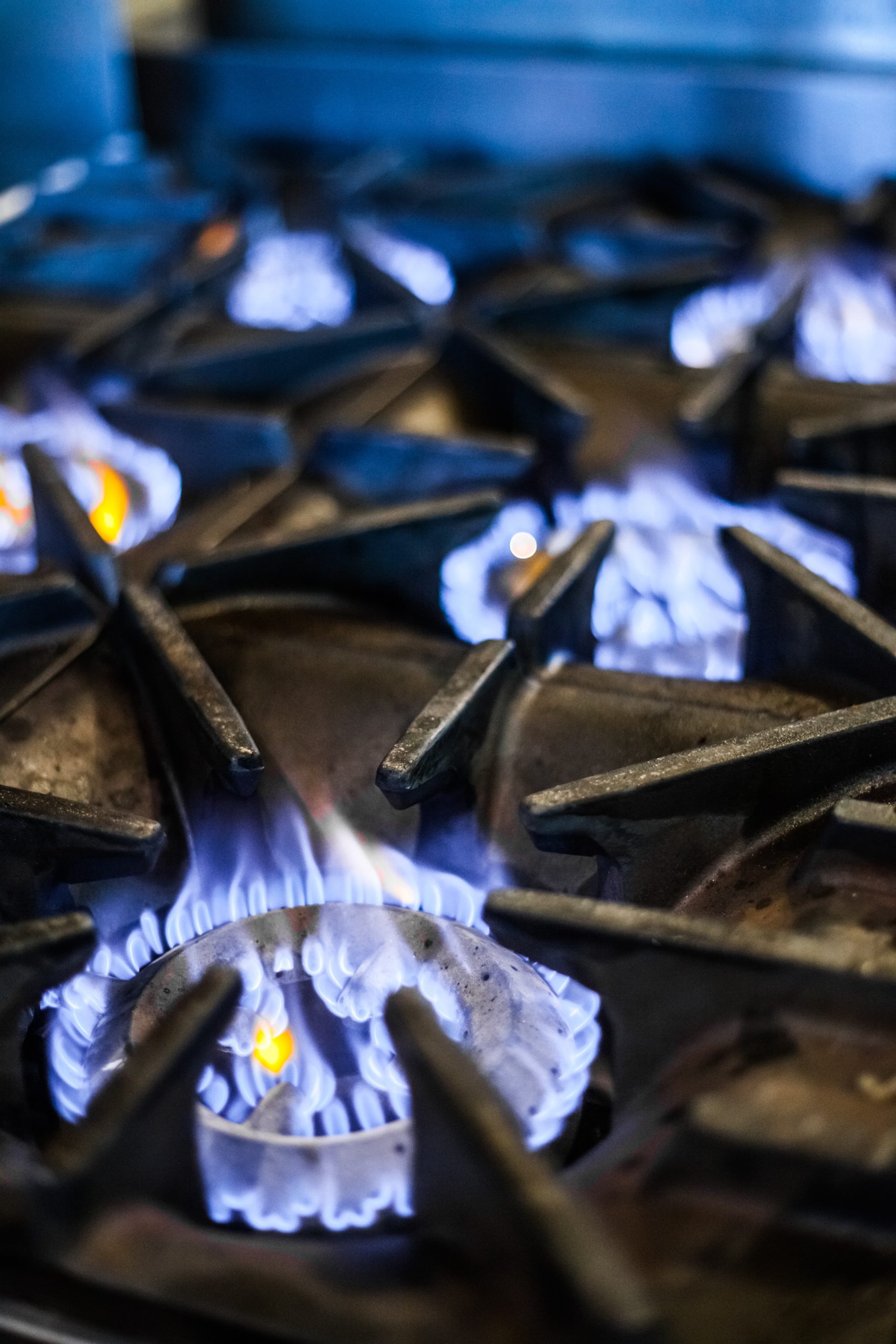
This can help prevent fires or accidents that could be caused by faulty appliances, as well as reducing the risk of carbon monoxide poisoning that can happen when an appliance isn't properly installed or maintained. It is essential that landlords are up to date with their Gas Safety certificates, as they could be penalized if they don't.
Landlords must be able to demonstrate that they carried out their annual gas safety checks on time. You can check your Gas Safe Register online or request a copy from the engineer that visited the property. If any of the appliances show as dangerous or defective, the landlord must get them repaired immediately to ensure the tenant's health and safety.
Some landlords may be having difficulty convincing their tenants to let them access the house for gas safety inspections. This can be due to a number of reasons, such as the fact that they believe it's an invasion of privacy or they are currently in a dispute with their landlord. If this is the case, it is recommended for the landlord to send a strongly worded letter explaining the reason why the gas safety inspections are necessary and what they'll mean. This letter could be sent via recorded delivery and the tenant should have 14 days to reply.
If the tenant still refuses to let the landlord access the landlord should think about taking further action. This could be the use of a Section 21 Notice or applying to court for an Injunction. This is a serious measure which should only be used in the last option.