

The Importance of a Landlord Gas Safety Certificate
A landlord's gas safety certificate is proof of a qualified engineer who has tested and checked the gas appliances within the property. The landlord must give a copy to current tenants within 28 days, and new tenants before they move in.
A digital gas safety record can be stored on a smartphone, tablet or computer and displays the unique identifier of the engineer who carried out the inspection - this could be an electronic signature or a payroll reference number or a name.
Legal Obligations
It is crucial to keep in mind that there are several legal obligations for landlords that obtain gas safety certificates. The most obvious requirement is that the inspection must be carried out by a Gas Safe engineer. This is the only qualified person who can check that appliances and pipes are safe for tenants. The engineer will perform a full test on each gas appliance and flue within the building, and issue the landlord with a completed Gas Safety Record (CP12).
If a landlord owns several properties, they must ensure that each one is in compliance with the law. The HSE website gives landlords up-to-date and easily accessible information regarding their obligations under The Gas Safety (Installation and Use) Regulations and its associated Approved Code of Practice. The free leaflets on these laws are also available for download.
Landlords are required to provide a copy Gas Safety Record to each tenant who resides in their property, in addition to any new tenants that are hired at the beginning of their tenancy. Landlords also need to keep an original copy of the CP12 to keep for their records.
Additionally landlords must also ensure that their gas systems and appliances are in good repair. If they're not then the landlord should get them repaired or replace them. It's also important to know that it's illegal for landlords to rent out a property with faulty gas appliances.
Tenants must be informed by landlords 24 hours in advance if they plan to enter the property to conduct security or maintenance inspections. Landlords should also ensure that they are able to access the property without a warrant.
It is recommended that in the event of a dispute, the tenancy agreement include an agreement that permits both parties to take actions to ensure that the landlord can complete the necessary maintenance and checks. This could involve calling your local authority or arranging for another gas engineer to visit and inspect the property.
It is crucial to remember, too, that a landlord cannot serve Section 21 notices to their tenants unless they have a Gas Safety Certificate valid for the property. To avoid this, landlords must keep their CP12s current and carry out annual inspections. If they do not then the landlord could be fined or even go to jail.
Prevents Accidents
A gas safety certificate for landlords is a vital step to prevent injuries or accidents caused by defective gas appliances. Regular inspections allow problems to be identified and corrected before they cause damage. This helps reduce the risk of expensive liability or damage claims brought by tenants. Landlords also benefit from the peace of mind that comes from knowing they are fulfilling their legal obligations and protecting their reputation as a responsible property rental company.
Gas Safe Certificates are official documents that prove that landlords have met the legal requirements of UK law. It is issued by a registered engineer and includes details about the address of the property, details of the appliance or installations that have been inspected, and whether they been able to pass or fail the safety tests. It must be signed by the engineer and issued within 48 hours of the exam.
Landlords may face severe consequences when they do not comply with the regulations regarding gas. Local authorities can punish landlords and fine them if there is an accident or injury that is caused by the use of mains-gas in the property. Landlords also run the risk of losing their professional reputation on the market and could struggle to find new tenants if they're not complying with all laws that govern their rentals.
The revised Gas Safety Regulations require that landlords conduct annual inspections on all gas appliances within their properties. The landlords must also provide copies of the documents to tenants and keep complete records. This is vital as it can help landlords prove they have met their legal obligations, and also protect themselves from potential fines or prosecution.
Some tenants might resist giving access to their property for a gas safety check. They may feel it's an invasion of privacy or that the inspection isn't necessary, but it's essential to ensure their safety. Landlords must explain to tenants that carbon monoxide has no scent, taste or color, making it difficult to detect.
If tenants don't cooperate, landlords should consider writing them a letter explaining the reasons for needing access and what the inspection will entail. If they are unwilling to let the engineer inside, consider evicting using a Section 21 Notice.
Avoids Fines
Landlords are required to comply with a wide range of safety regulations, and gas checks are among the most crucial. Infractions to this can result in substantial penalties, including imprisonment. It is vital to any rental property's success to adhere to these rules. Fortunately, there are a few simple steps landlords can take to ensure compliance and avoid any costly mistakes.
The first step to take is to ensure that all gas appliances and gas installations are inspected and maintained by an engineer with the appropriate qualifications. This will ensure that the equipment is safe for be used by tenants. It is also important to keep all documents of these inspections for future reference. The landlord must also provide a copy of the inspection to each tenant upon request.
Another crucial step is to confirm that the Gas Safe Register engineer has the proper credentials to conduct the inspection and issue the certificate. If an owner hires an engineer who isn't qualified, he or she could face severe penalties or even imprisonment.
In the end, landlords must make sure they obtain an updated gas safety certificate before the current one expires. This will avoid any issues that result from overlapping dates and make sure that all checks are performed according to schedule.
While the importance of electrical and gas safety certificates is evident however, it's not always simple to navigate the complex regulations. By understanding what is a landlord gas safety certificate and adhering to best practices, landlords will be able to avoid costly mistakes which could put their tenants at risk.
In addition to the legal ramifications landlords may also face costly damages resulting from tenants who are who are injured by malfunctioning appliances. Additionally the majority of insurance policies for landlords do not cover for injuries that occur in properties with no or expired gas safety certificate. It is important that landlords are current with all electrical and gas safety regulations, and obtain an official certificate prior to renting their properties. Contact Pro Checks for all of your landlord safety certificates today! Pro Checks is a team of London-based professionals who are committed to providing prompt service, attentiveness to detail and competitive rates.
Peace of Mind
When landlords are in compliance with all local regulations and safety standards, they can rest at ease knowing that their property is secure for tenants. This gives them peace of heart and allows them to concentrate on the business side of renting out their properties. Landlords who have a good track record of gas inspections and certifications are likely to see the an increase in demand for their properties, resulting in long-term tenancies and steady rental income.
Gas safety regulations are very important, and landlords must keep up-to-date certificates. It also protects landlords from legal disputes with tenants due to defective appliances and can help them avoid costly fines from regulatory bodies.
Landlords have many options to conduct safety checks and issue certificates. They should look into local regulations to ensure they are in compliance with all regulations. It is also recommended that they employ Gas Safe registered engineers to complete the inspections. These professionals have been through rigorous training and assessments. They have the expertise and knowledge necessary to conduct thorough inspections of all gas appliances.
The engineer will then issue an Landlord Gas Safety Record, or a landlord gas safety certificate. This document will include the date of inspection, details of the appliances inspected, and the engineer's name and registration number. The document will also list any faulty appliances, and give suggestions for fixing the issue. Landlords must provide the tenants with a copy within 28 days following the check or prior to when new tenants move into their home.
Regular maintenance of gas appliances will help landlords avoid costly repairs down the road. It's recommended to schedule routine inspections and maintenance so that any problems are identified and addressed in the earliest time possible. This can help extend the life of appliances which ultimately save costs in the long run.
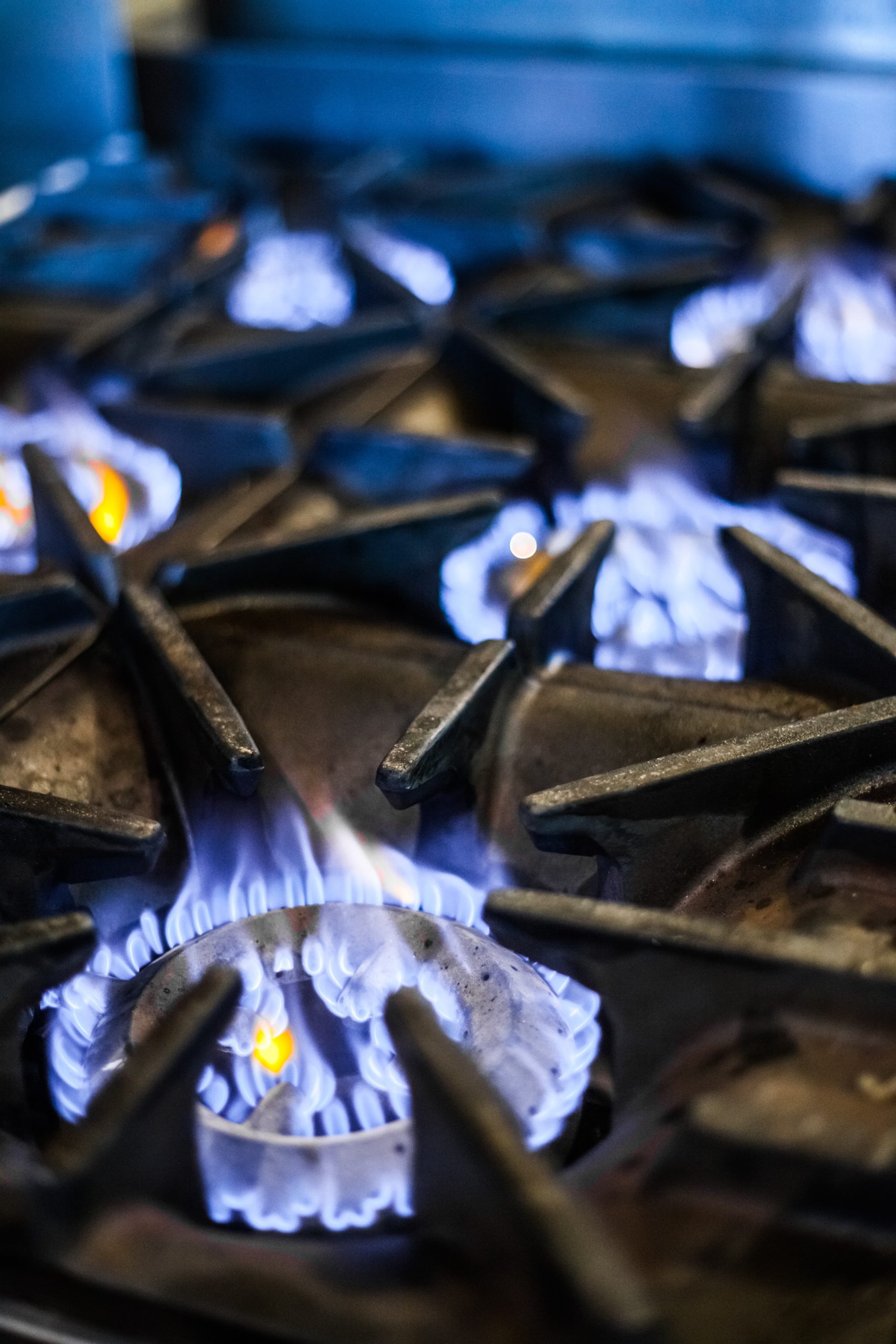
If a landlord wishes to offer peace of assurance to their tenants they should have all gas appliances and flues inspected by a licensed professional and obtain an official Gas Safety Certificate. This will save them from costly repairs and fines if they fail to comply. It will also enhance their reputation as a responsible landlord.